Homeowner’s Field Guide to Planning and Managing Furnace Repair Decisions
Starting a furnace repair project benefits from clear scoping before anyone touches a tool. Define the symptoms, note when they occur, and document any smells, sounds, or error codes. In practice, this baseline helps a technician verify issues quickly and prevents guesswork. It also frames whether the repair relates to airflow, ignition, or controls, and whether adjacent systems like ductwork or thermostats might be involved.
Next, assess the age and service history of the furnace to inform repair-versus-replace thinking. Older equipment can still run reliably with targeted fixes, yet lifecycle planning matters. However, premature replacement can waste useful service life. Weigh repair costs against expected years remaining. Align this analysis with seasonal timing, since scheduling off-peak can reduce delays and offer more flexibility for parts and follow-up visits.
Meanwhile, plan the workflow from inspection to handoff. A good sequence starts with safety checks, gas and electrical testing, and combustion analysis. Then a technician can inspect heat exchangers, burners, and flame sensors, followed by blower calibration and airflow validation. Beyond that, filter condition, duct leakage, and return sizing should be reviewed to ensure any repair isn’t masking a bigger air distribution constraint.
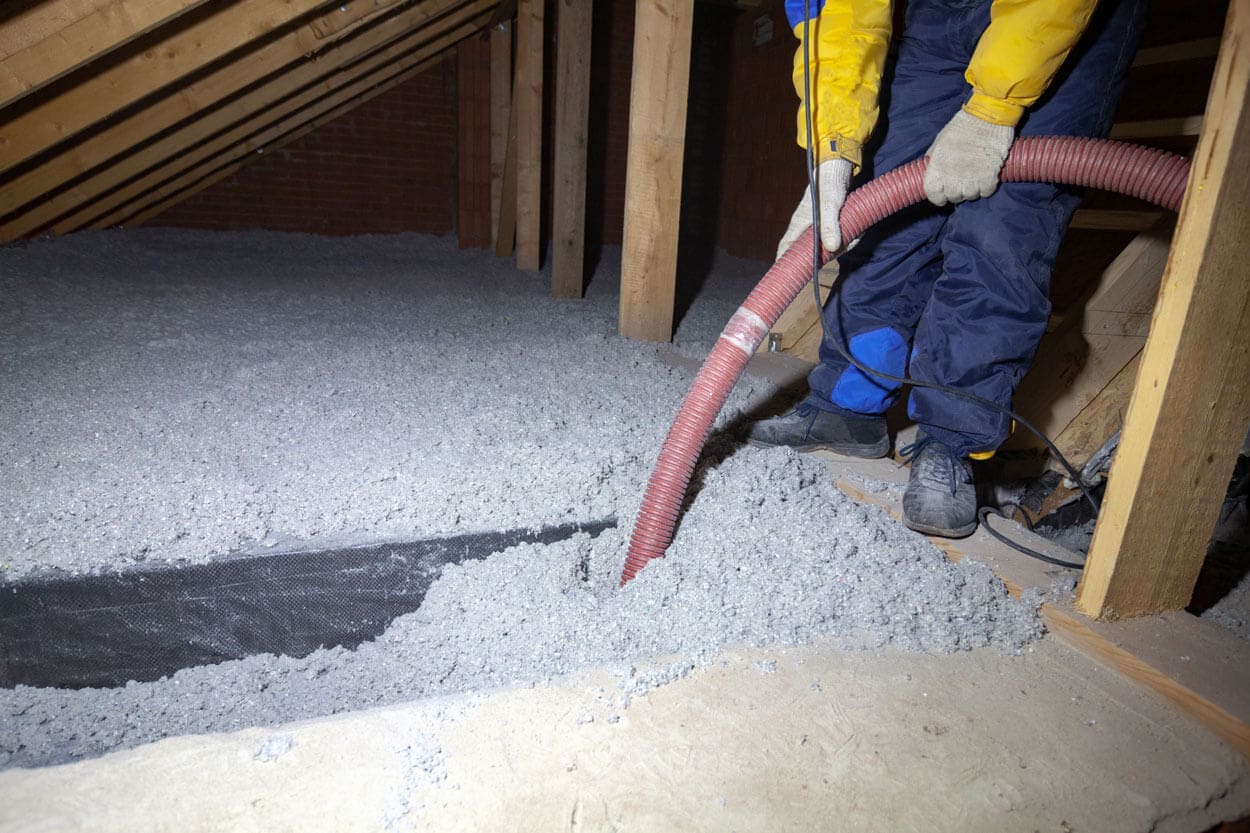
Often, comfort issues labeled as “furnace problems” turn out to be airflow or insulation gaps. Air Duct Cleaning, sealing, and balancing can resolve temperature swings and noisy runs. Blown-IN Insulation can also reduce run time in marginally insulated spaces. The key is to verify static pressure, deliverable CFM, and return paths so the furnace isn’t overworked to compensate for building shell or duct issues.
Then consider indoor air quality alongside heat delivery. Dust, dander, and combustion byproducts affect both system performance and occupant comfort. Indoor Air Quality Services may include filtration upgrades, humidity management, and ventilation assessments. Validate filter sizing and MERV ratings to avoid choking airflow. If the repair includes burner or flue work, confirm draft and combustion safety so efficiency gains don’t come at the expense of fresh air needs.
Beyond that, integrate controls and zoning with any mechanical fix. Smart thermostats can help but only when staged correctly with multi-speed or variable-speed equipment. Calibrate setpoints, differentials, and fan profiles to reduce short cycling. If zoning is present, inspect damper operation, ensure bypass strategies won’t overheat the heat exchanger, and refine schedules to match occupancy and room priorities across the home.
In practice, compatibility matters when tying repairs to adjacent systems. Heat Pump Installation paired with a gas furnace in a dual-fuel setup demands careful balance points and staging logic. Ductless AC Minisplits in bonus rooms or additions can remove the burden from the central furnace. Validate electrical capacity, condensate routing, and clearances so these add-ons support, rather than complicate, the primary heating system.
Additionally, budgeting should account for contingencies. Parts availability, hidden cracks in a heat exchanger, or flue deficiencies can expand scope. Maintain a small buffer in both time and funds. Document each step, including replaced components and test readings, so future technicians can trace history quickly. This record shortens diagnostics next season and reduces the chance of redundant work or mismatched parts.
Finally, think about long-term care once heat is restored. Schedule seasonal tune-ups, replace filters on a consistent cadence, and inspect vents after storms or renovations. HVAC professionals can also advise on complementary upgrades like AC Installation and Repair or Heating Installation and Repair when systems age out. Sequencing these decisions across seasons evens out costs, prevents emergency calls, and extends overall system life.
Ultimately, a disciplined approach turns furnace repair from a scramble into a managed process. Scope thoroughly, verify root causes, and align adjacent building systems so the fix endures. When you’re ready to act, choose a responsive local team that communicates clearly, shares diagnostics, and provides a structured handoff. That way the home stays warm, efficient, and prepared for whatever the next cold snap brings.